
Optimal Timing for Fire Restorations
Understanding the optimal timing for fire restorations is essential for effective cleanup and repair. The right time can influence the extent of damage mitigation, cost efficiency, and safety measures. Fire restorations involve cleaning, repairing, and restoring properties affected by fire, smoke, and soot. Prompt action minimizes structural deterioration and prevents mold growth, which can develop within 24-48 hours after water exposure used during firefighting.
Fire restorations are typically most effective when performed soon after fire incidents, regardless of season. However, cooler months may reduce microbial growth, while warmer months might accelerate deterioration if cleanup is delayed.
Dry weather conditions facilitate faster drying and reduce additional water damage. Wet or humid conditions can prolong drying times and increase the risk of mold development.
Restorations are best scheduled when properties are unoccupied or less frequented, minimizing disruption and allowing thorough cleaning and repairs.
Immediate response following a fire incident ensures mitigation of smoke damage and prevents secondary issues such as corrosion or structural weakening.
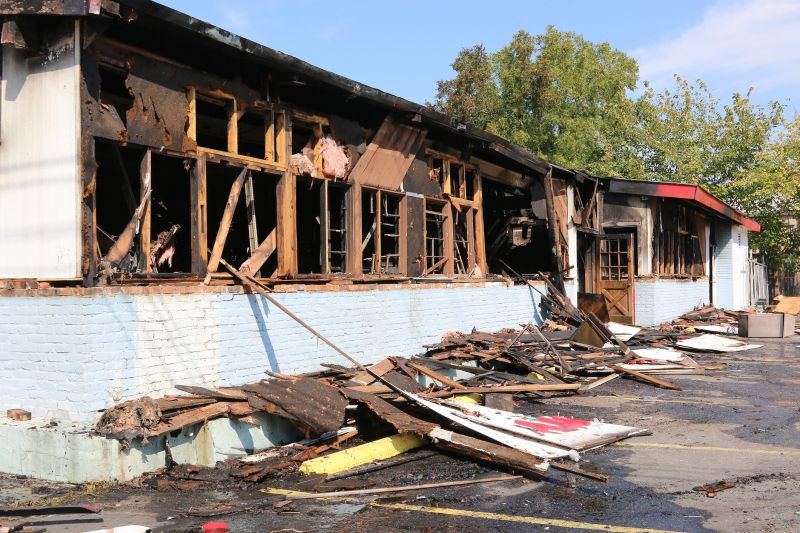
Initial evaluation to determine extent of damage and necessary restoration steps.
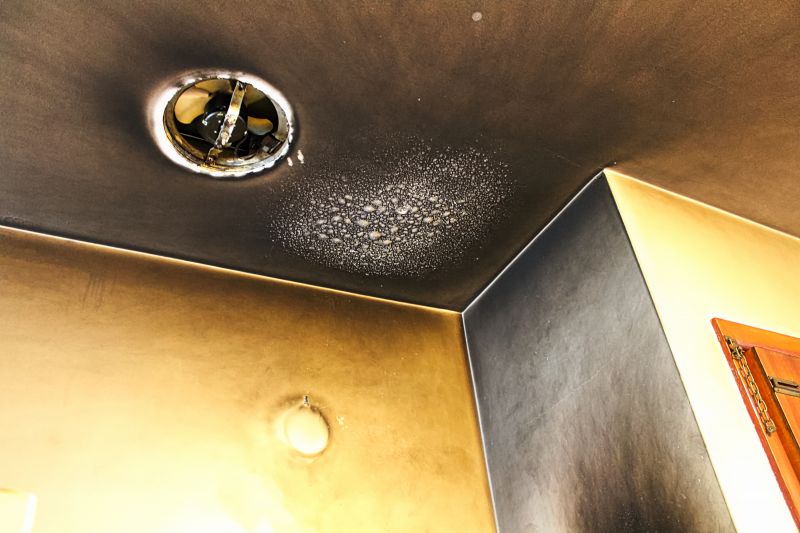
Specialized cleaning to eliminate residual smoke odors and soot deposits.
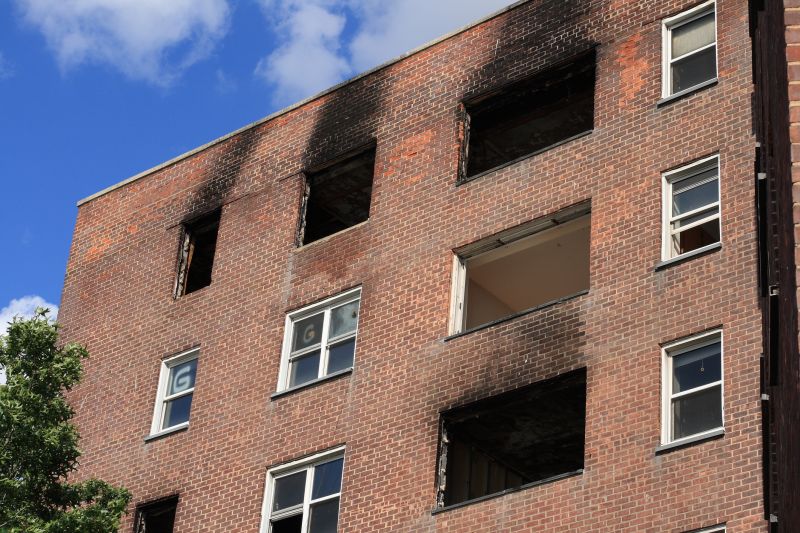
Restoration of damaged structural elements to restore safety and integrity.
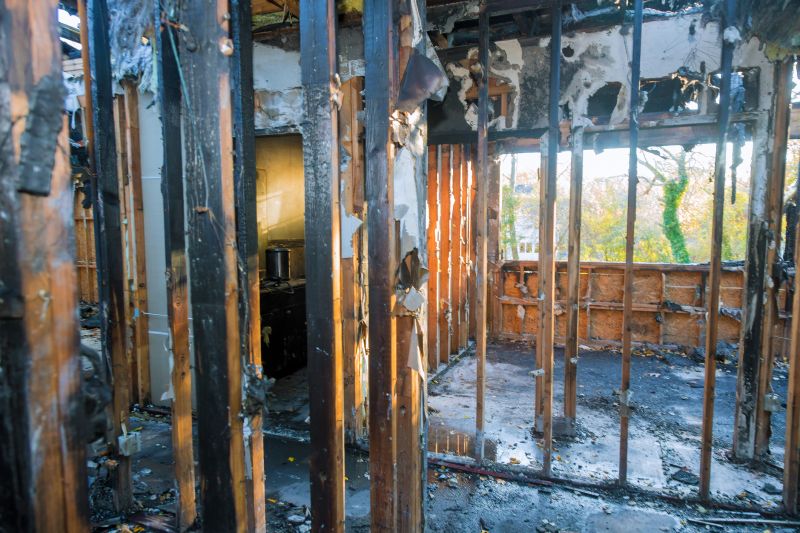
Ways to make Fire Restorations work in tight or awkward layouts.
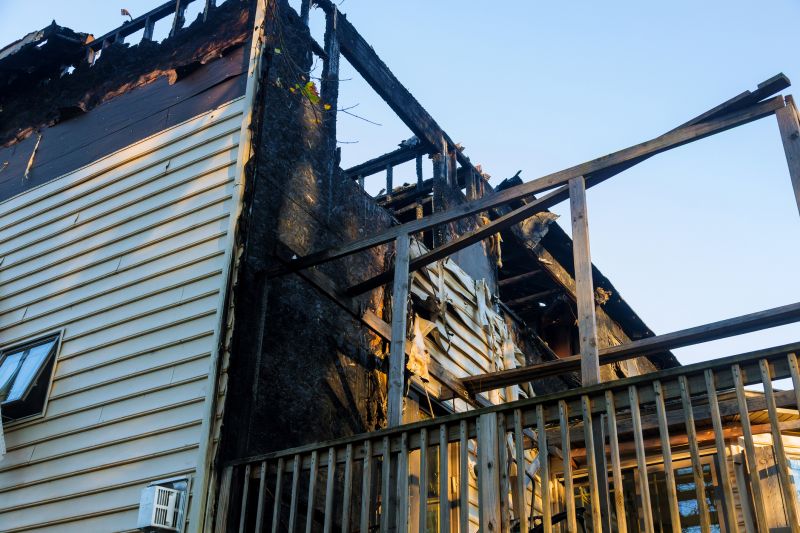
Popular materials for Fire Restorations and why they hold up over time.
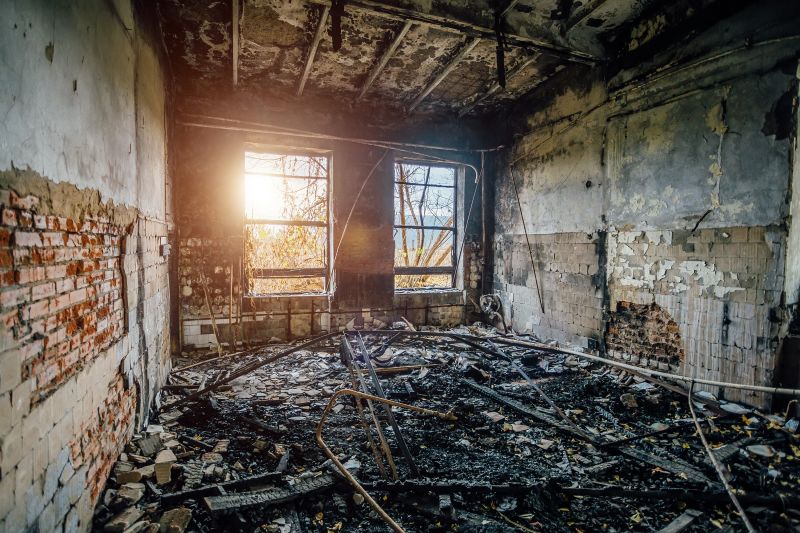
Simple add-ons that improve Fire Restorations without blowing the budget.
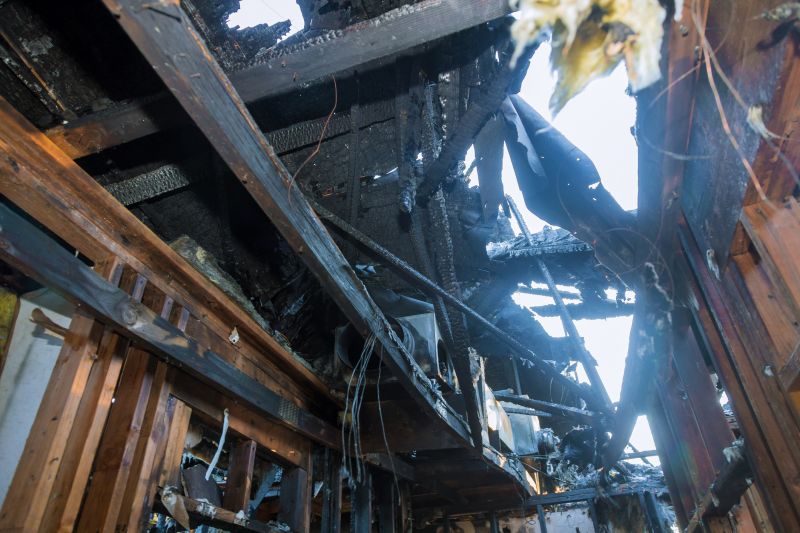
High-end options that actually feel worth it for Fire Restorations.
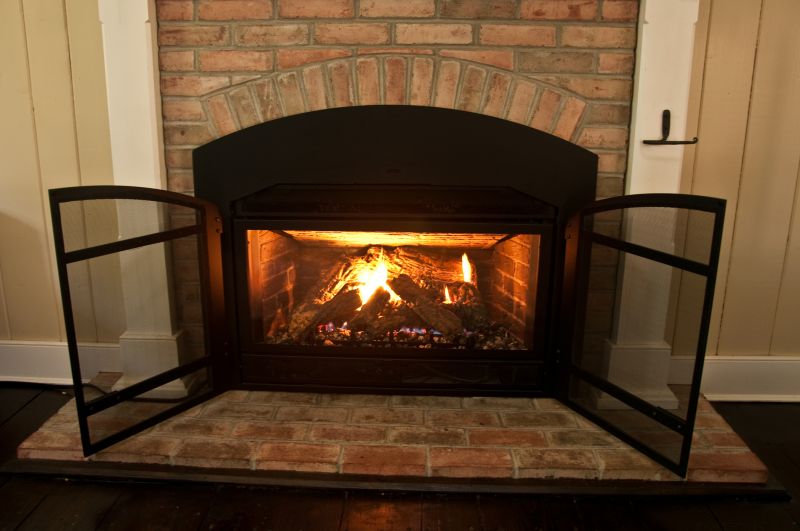
Finishes and colors that play nicely with Fire Restorations.
| Timing Factor | Impact on Fire Restorations |
|---|---|
| Immediate Action | Reduces smoke and soot damage, limits structural deterioration. |
| Within 24 Hours | Prevents mold growth, minimizes odor absorption. |
| Within 1 Week | Allows for comprehensive cleaning, reduces secondary damage. |
| During Cooler Months | Less microbial growth, easier to control moisture. |
| During Warmer Months | Requires faster drying to prevent mold. |
Fire restorations are critical for restoring safety, cleanliness, and comfort to affected properties. They involve detailed cleaning processes to remove smoke residues, soot, and odors, as well as structural repairs to address fire and water damage. Timely intervention can significantly reduce long-term restoration costs and prevent secondary issues such as mold growth or corrosion.
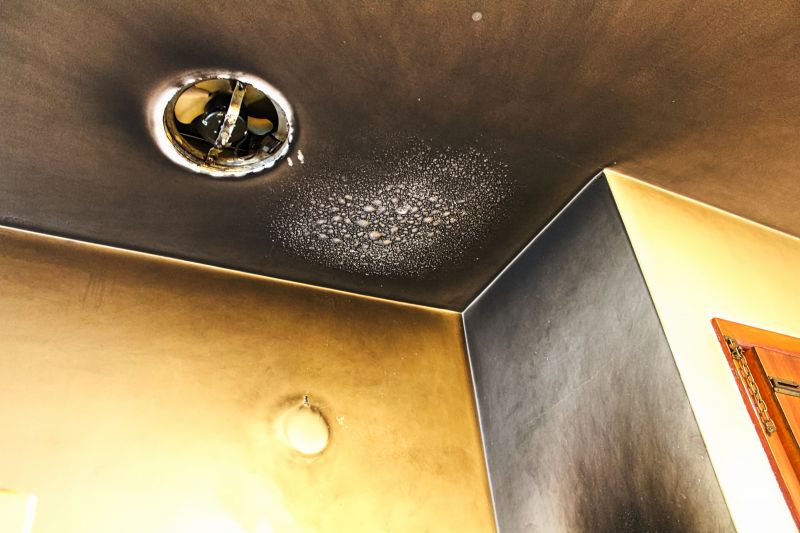
Comprehensive removal of soot, smoke, and debris from surfaces.
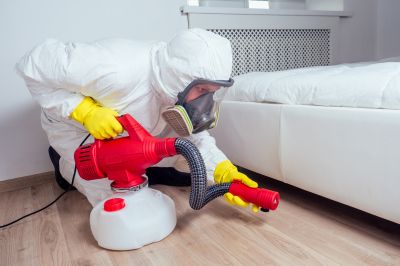
Use of specialized treatments to eliminate persistent smoke odors.
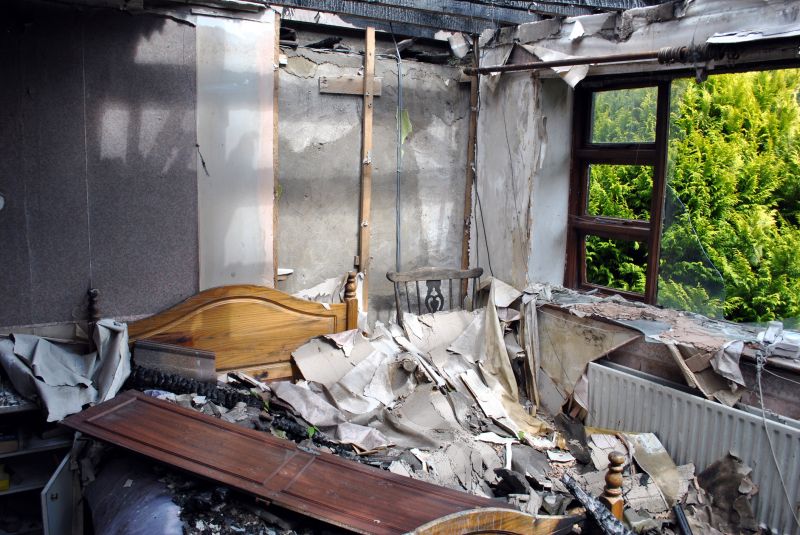
Rebuilding and repairing structural elements damaged by fire.
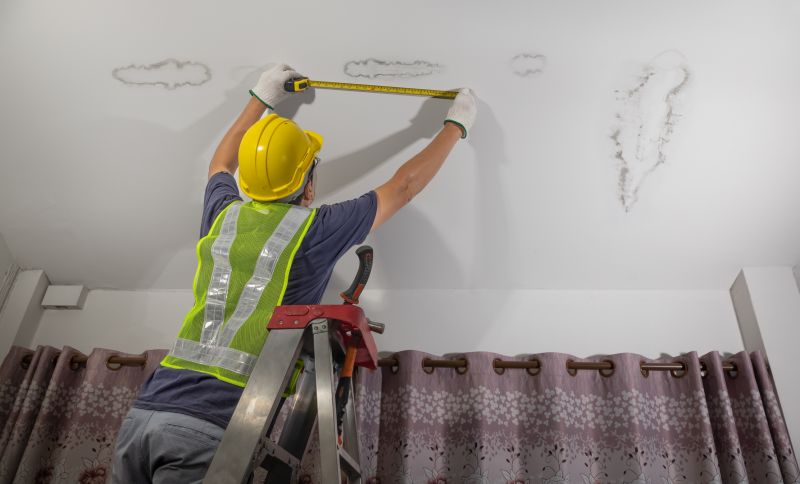
Little measurements that prevent headaches on Fire Restorations day.
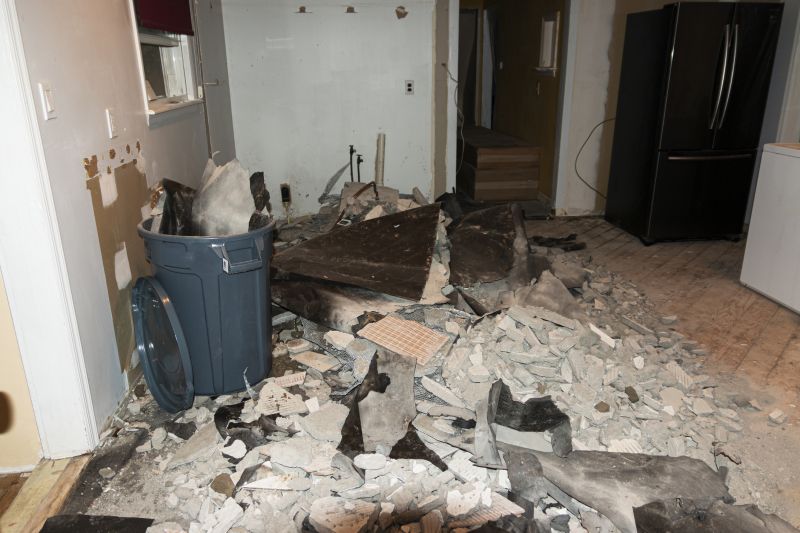
A 60-second routine that keeps Fire Restorations looking new.
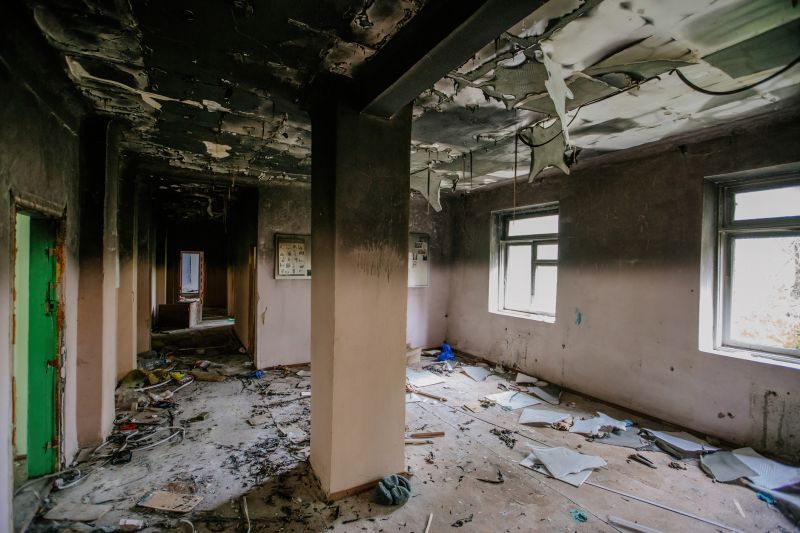
A frequent mistake in Fire Restorations and how to dodge it.
Timely fire restorations help prevent secondary damages such as mold growth and corrosion. Proper assessment and quick response are essential for effective cleanup and repair, ensuring properties are restored to their pre-fire condition efficiently and safely.